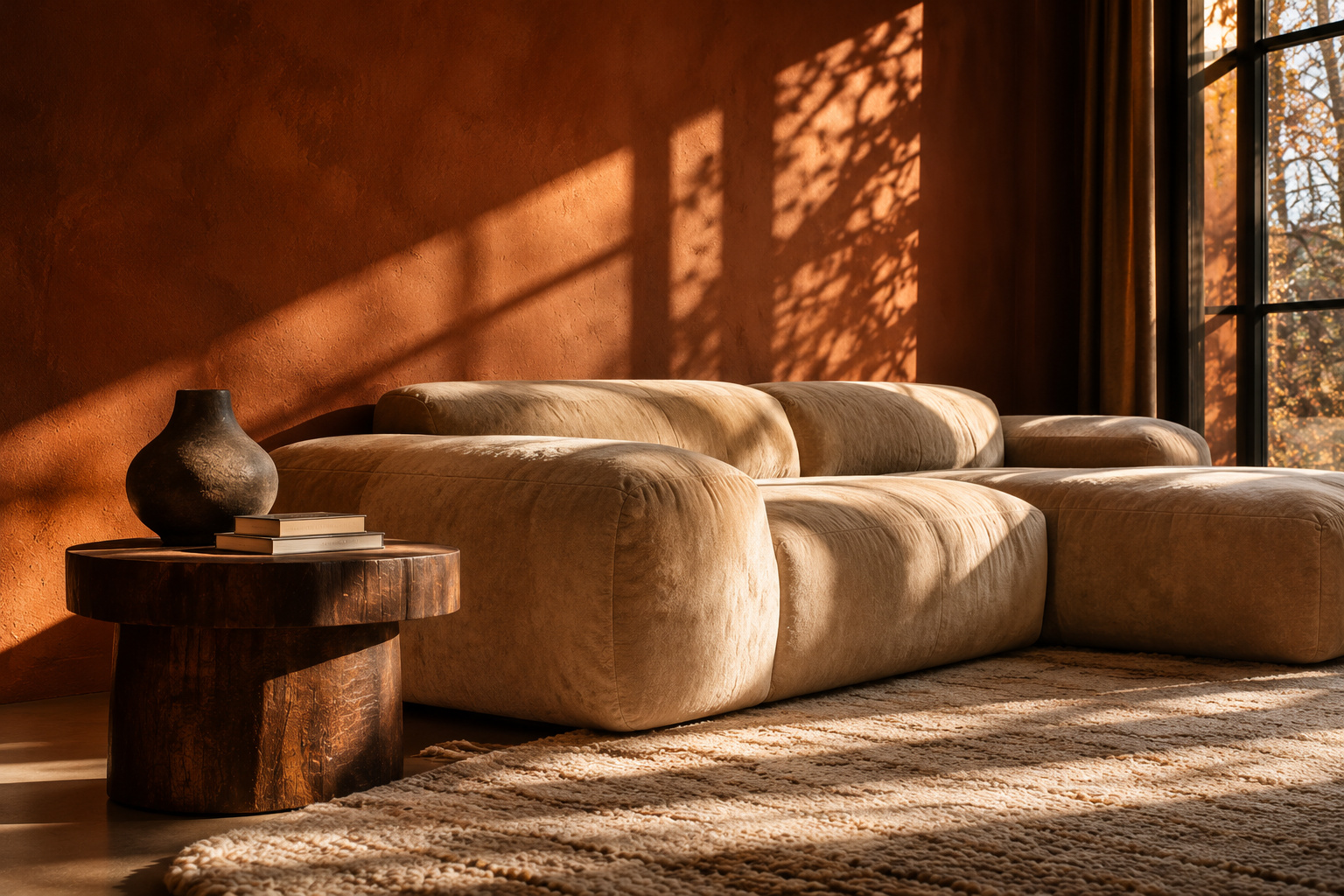
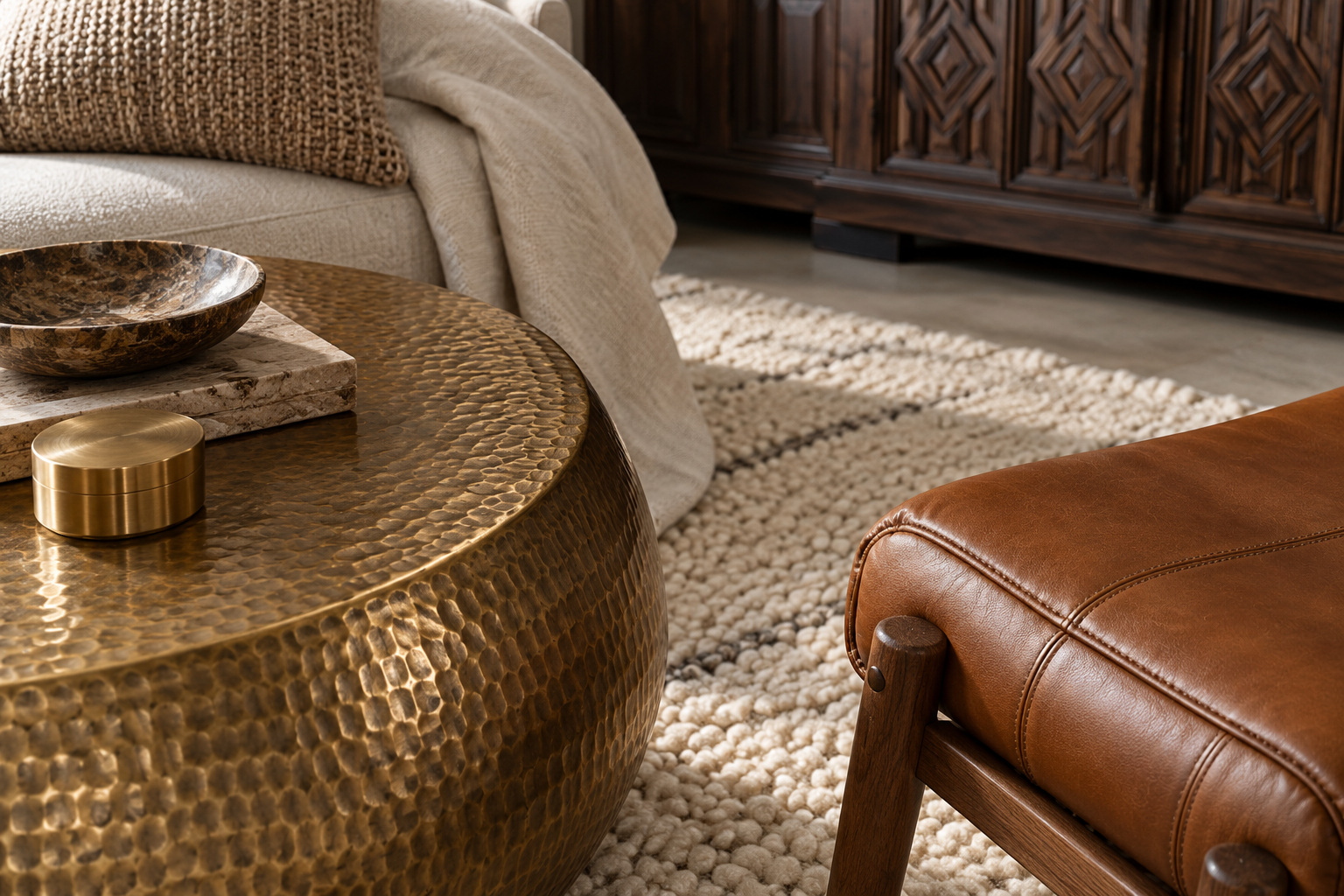
HOMEOCTOS inspiration, with a selection of pieces to recreate the atmosphere.
A room can be quiet in colour and still be remarkable in character. The difference often lies not in the number of objects we add, but in the way their surfaces interact. A pale sofa has a softness that dark timber cannot offer. Wool absorbs the light that metal reflects. Leather sits somewhere between the two, bringing an even, warm finish that connects them.
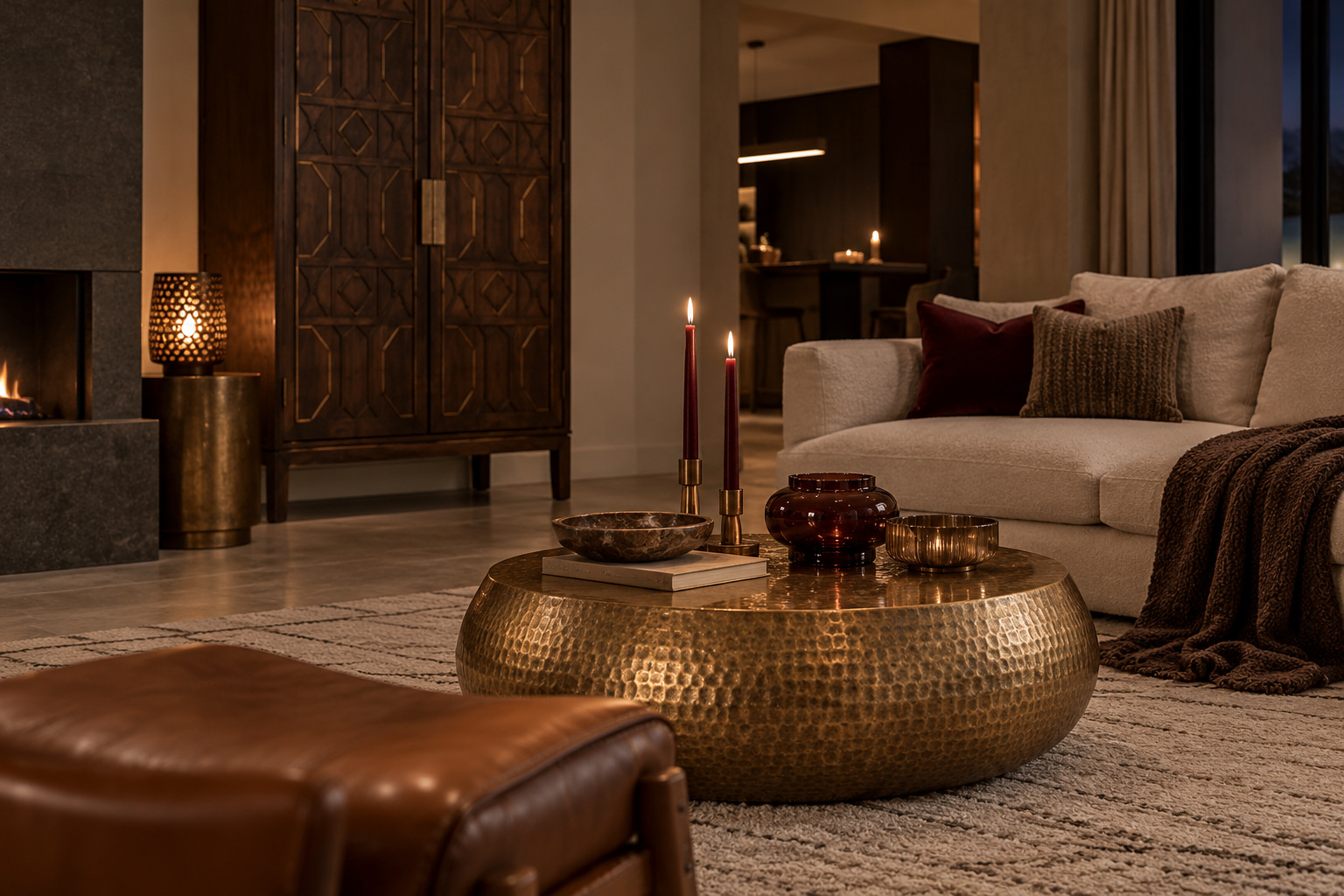
For this HOMEOCTOS material edit, we have taken the Crafted Living composition apart to understand why it works. Five materials, each with a different surface, establish a complete interior without relying on elaborate decoration. The room feels balanced because every material has a role. Nothing needs to compete for attention.
Texture is not a substitute for proportion or colour. It is the quality that gives both greater depth. A simple cream sofa becomes more interesting when its weave is visible; a dark cabinet gains definition when the light catches its carved edges. Even a restrained palette can feel layered when the finishes are carefully chosen.
01. Ivory upholstery: space to breathe
Large upholstered pieces have an unusual visual influence. They occupy much of the room, yet their surface can either make the composition feel heavy or create a sense of calm. In Crafted Living, the pale seating provides the quietest element. Its soft fabric balances the richer timber and reflective table without disappearing into the background.
The important detail is the weave. A textile with a gentle, visible structure gives light something to catch and softens the contrast with more solid materials. A perfectly flat, featureless surface can appear colder beside strongly worked wood, even when the colour is similar.
A pale upholstered piece does not require a collection of decorative cushions to feel inviting. One carefully chosen texture, perhaps a cushion in dense linen or a throw with a looser weave, is enough to establish a second scale of detail.
In a compact living room, simplicity in the main sofa is particularly valuable. It leaves visual space for the pieces that carry more character.
02. Worked timber: structure with personality
Dark wood brings weight to an interior, but its presence comes from more than colour. The grain, the direction of the lines, the carved surface and the edges all affect how a piece reads. A low walnut table introduces depth discreetly, while a tall cabinet with sculptural detailing can act almost like an architectural feature.
The carved cabinet in our composition illustrates why worked timber deserves space around it. Its relief creates a changing pattern of light and shadow. Surrounding it with equally ornate objects would weaken that effect. A lighter sofa, a quieter rug and a modest display on top allow the craftsmanship to remain visible.
Contrast is useful here. Rather than matching every wooden surface, consider combining a richly grained statement piece with simpler finishes in the same general tonal family. The room will feel connected without looking like a coordinated furniture set.
In a smaller space, the same quality can be introduced through a narrow console, bedside table or occasional chair. The scale changes, but the principle remains: choose wood for its form and surface, not simply its shade.
03. Caramel leather: the warm transition
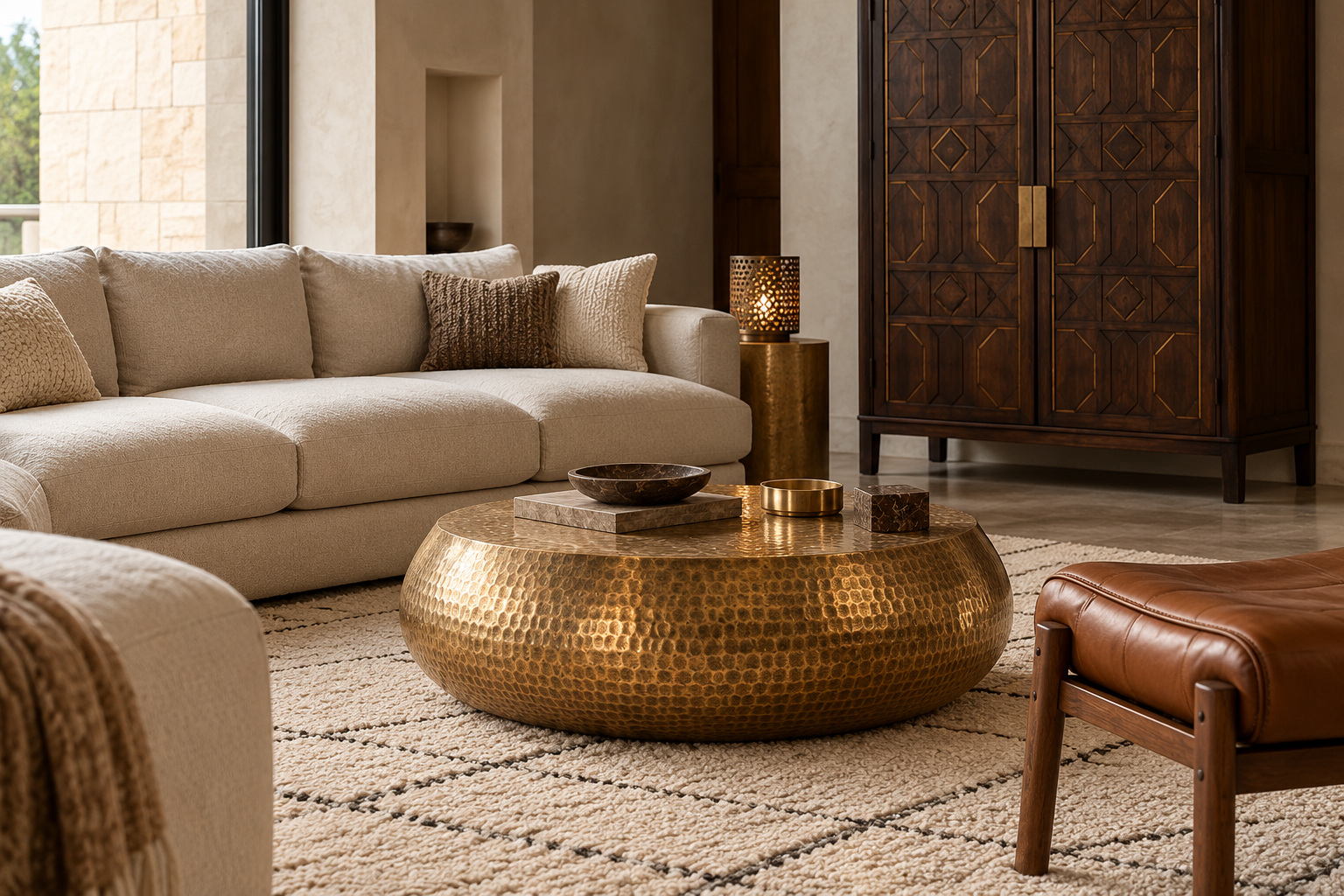
Select a glowing point to explore a compatible piece.
Leather introduces a smoother texture into a room dominated by fabric and timber. It catches the light more evenly than a woven textile and can help bridge the visual distance between pale upholstery and a dark cabinet.
A compact caramel-coloured stool illustrates the role particularly well. Its warmth sits naturally beside walnut, while its simpler finish gives the eye a break from carved details and fabric weaves. Because the piece is small, it adds character without taking control of the room.
Too much repetition, however, removes the contrast. If the sofa, chairs, cushions and occasional tables all carry the same warm leather tone, the composition loses its range. One leather accent is often enough to establish a subtle material shift.
The material should also suit the object. Leather on a stool or occasional chair is experienced differently from leather across a large sofa. Think about where it will be touched, how it will age in daily use and how much visual weight its colour will bring.
04. Wool: the material that connects
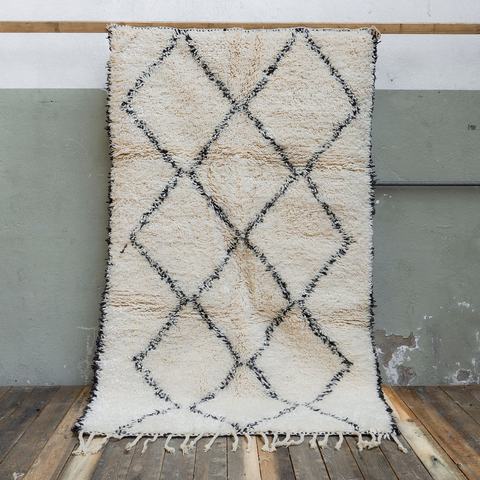
A rug changes the relationship between furniture and floor. It can establish a boundary for the seating area, soften harder materials and give several different pieces a shared setting. Wool, when appropriate to the household, offers an especially tactile way to do this.
In Crafted Living, the rug sits beneath furniture with markedly different surfaces. Its quiet texture creates continuity between the upholstered sofa, wooden storage and smaller accents. The rug does not need to become the visual centre of the room; its value lies in making the arrangement feel connected.
Size is important. A beautiful rug that is too small may make the furniture appear disconnected. A rug that extends into a circulation route can make a room awkward to use. Test its dimensions against the seating and the clearance around doors and tables before choosing a pattern or pile.
There is also a practical side to texture. A dense pile, a loose weave and a flatter finish feel different underfoot and respond differently to maintenance. The most convincing choice is one that contributes to both the atmosphere and the daily life of the room.
05. Textured metal: the reflective counterpoint
Metal introduces movement to a composition because its appearance changes with the light. A polished surface creates broad reflections; a textured one breaks them into many small highlights. Against pale upholstery and dark timber, these reflections can create a focal point without the need for strong colour.
The rounded metal coffee table in our edit demonstrates this quality. Its finish catches daylight and low evening light in different ways. It is already visually rich, which is why the display above it should remain simple. A short stack of books or one low ceramic object lets the surface do most of the work.
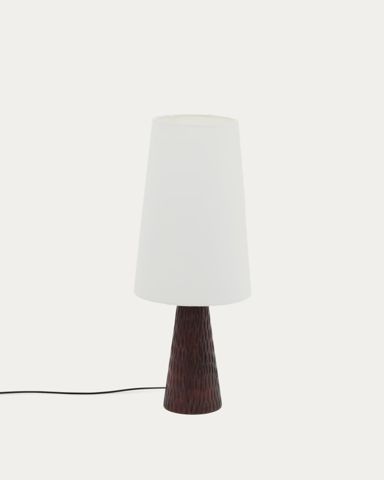
Lighting can bring the same material dialogue into the evening. A small lamp near the wooden cabinet deepens the relief of its carvings. A soft, diffused light above the seating gives the metal a gentler reflection. The objective is not to make every surface shine, but to give reflective and matte materials different roles.
The relationship is the design
Five materials do not mean five new purchases. A room may already contain most of these qualities. Perhaps the sofa provides softness, the cabinet supplies structure and the rug adds comfort. The missing element might be one small reflective object, or simply a better placement of light.
Before adding anything, look at the room as a composition. Which surface is dominant? Where does the eye need rest? What changes between daylight and evening? The answers will reveal whether another texture is useful or whether the interior already has enough.
A room built through material relationships can evolve without losing its identity. New objects do not have to match the existing ones exactly. They need to contribute something meaningful to the whole.
HOMEOCTOS, SPACES WITH CHARACTER.
Three more pieces
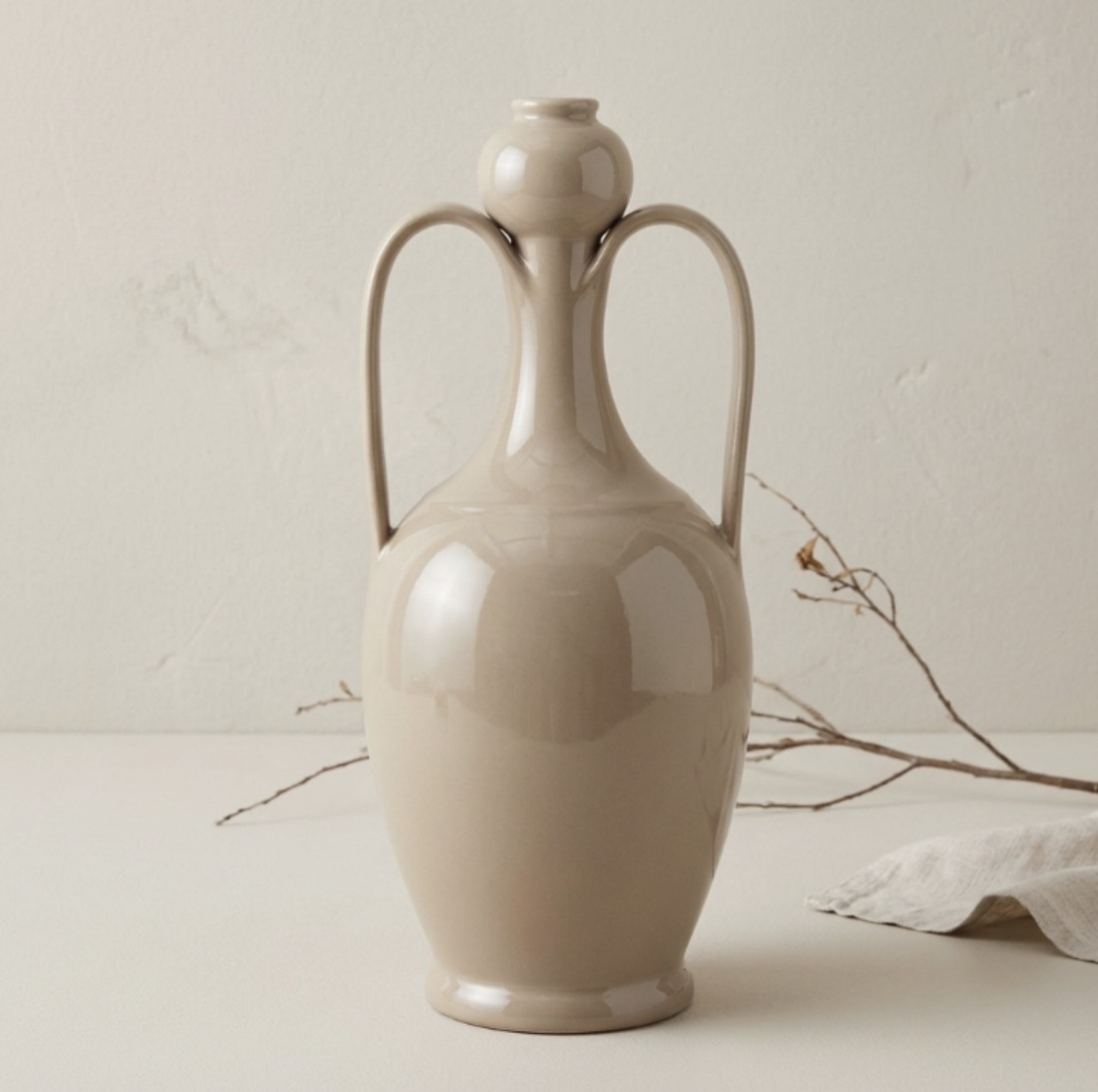
Compatible alternatives selected for their function, shape, colour and texture. See each product sheet for its exact materials and dimensions.