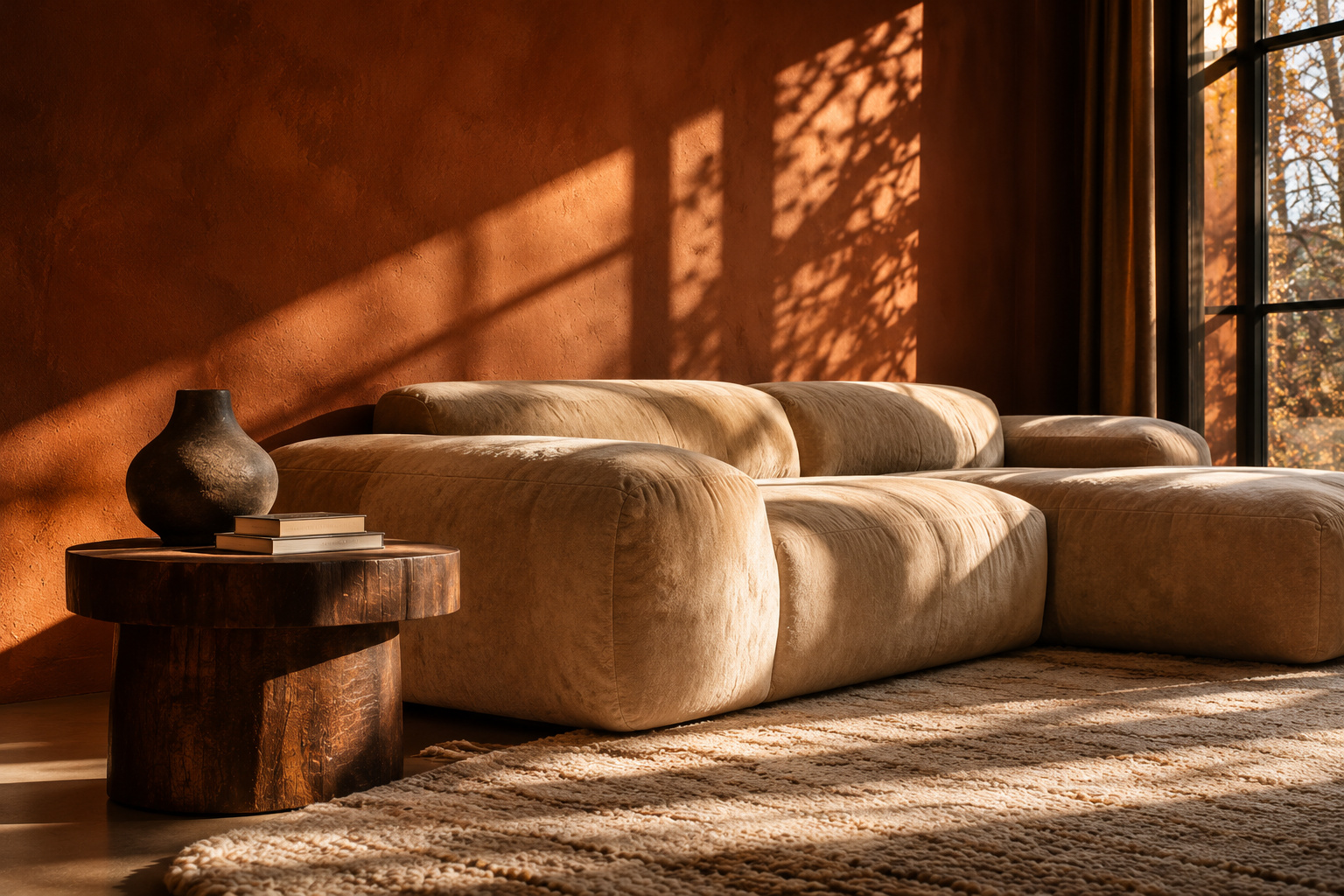
HOMEOCTOS inspiration, with a selection of pieces to recreate the atmosphere.
There is a particular pleasure in coming home on a cold evening and finding a room already prepared for it. A chair in the right place, a light switched on before dusk, a rug that softens the floor, a table cleared for conversation. None of these details requires elaborate seasonal decoration. Together, they create a space that feels inviting because it works.
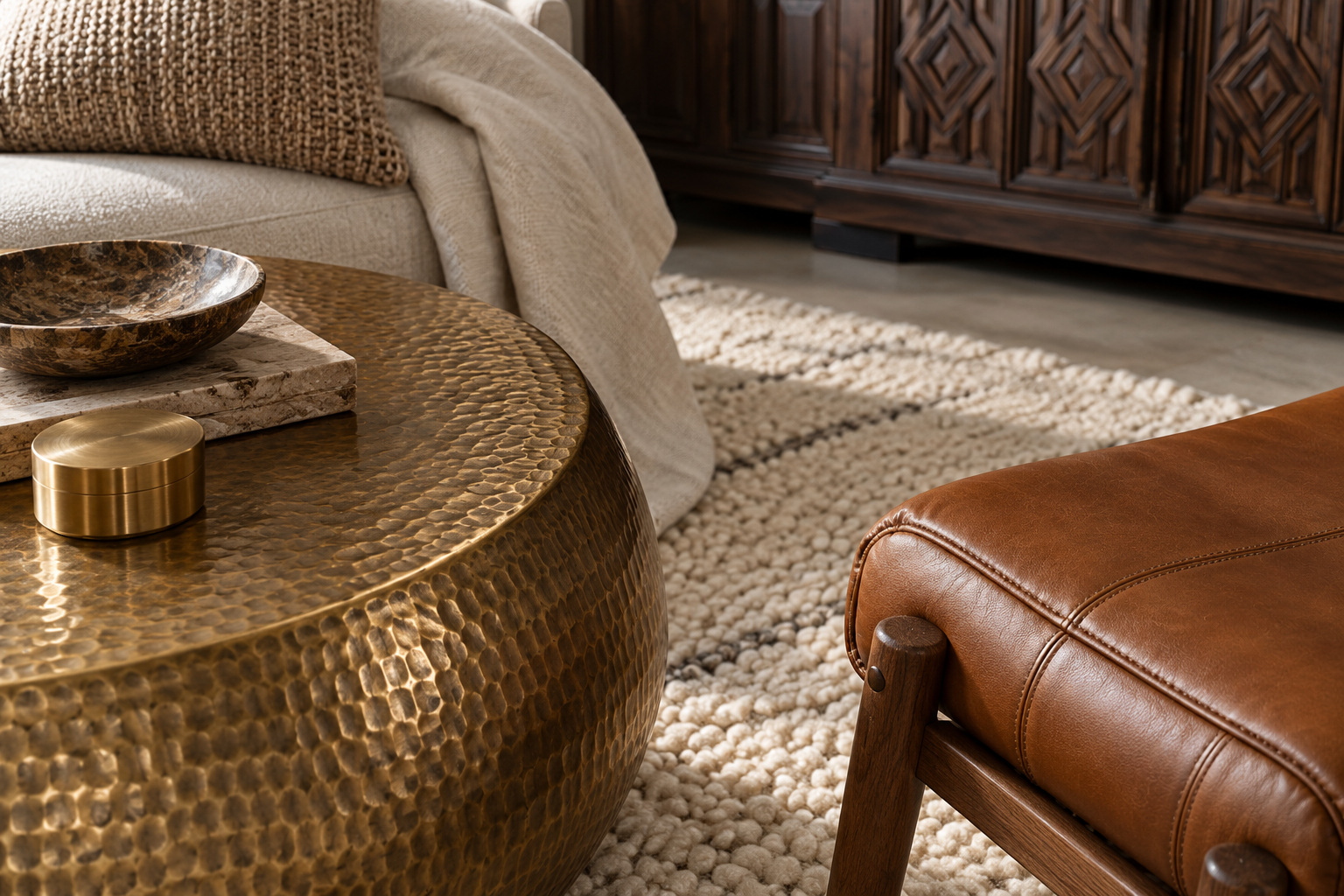
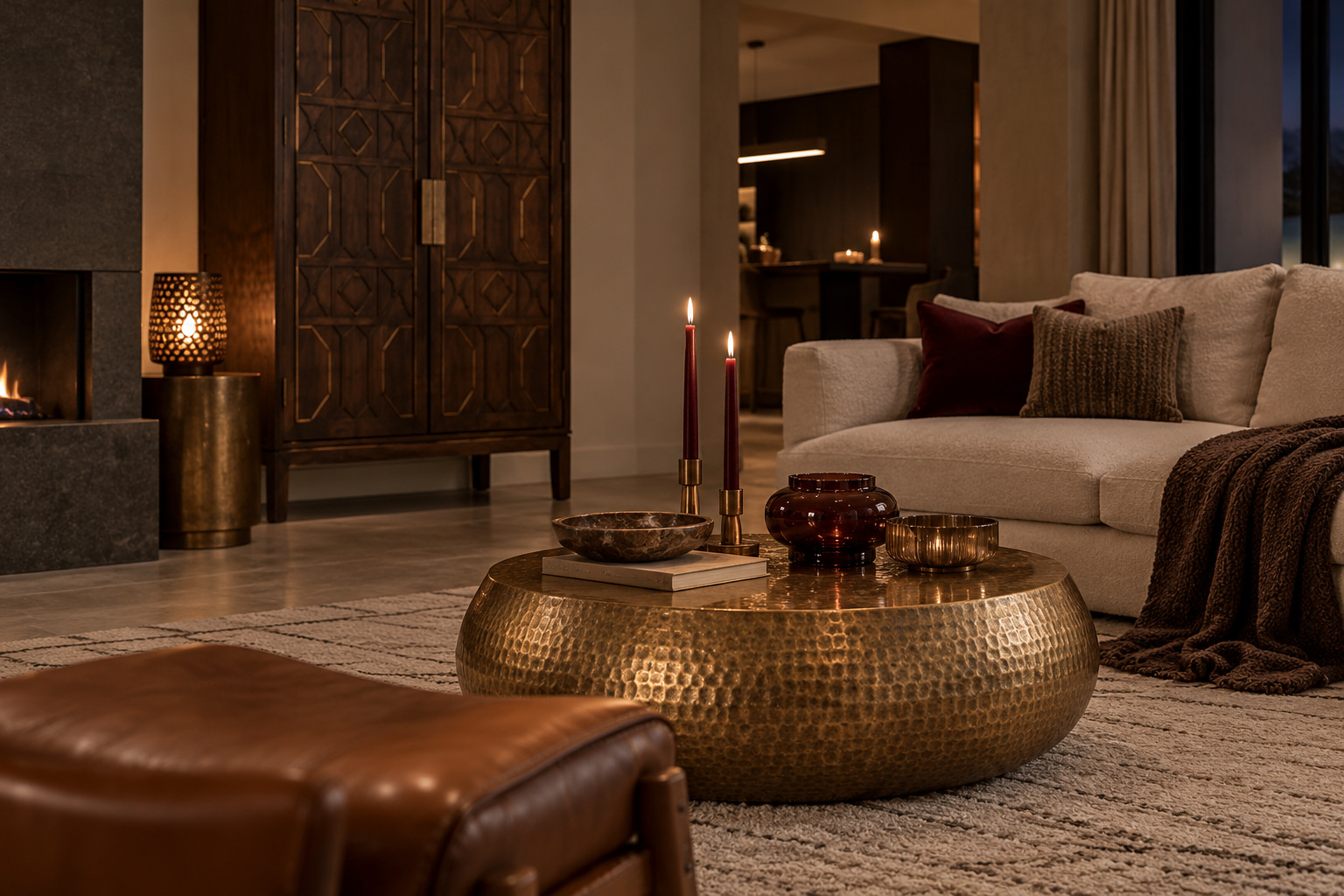
The Crafted Living interior provides a useful starting point for this seasonal HOMEOCTOS edit. Pale upholstery, carved wood, a caramel leather accent and a tactile rug already form an atmosphere with depth. A rounded metal table introduces a small reflective detail. Rather than replacing this character for each occasion, we explore how light, textiles and carefully chosen objects can help the same room move through the colder months.
The objective is continuity. A living room should feel like itself on an ordinary November evening, during Christmas and on New Year's Eve. Seasonal changes can be expressive without becoming a completely separate decorating scheme.
01. Late autumn: light before decoration
As daylight becomes shorter, lighting starts to shape the room for a greater part of the day. A ceiling fitting may provide enough general illumination, but it rarely creates the full atmosphere needed for reading, conversation and relaxation.
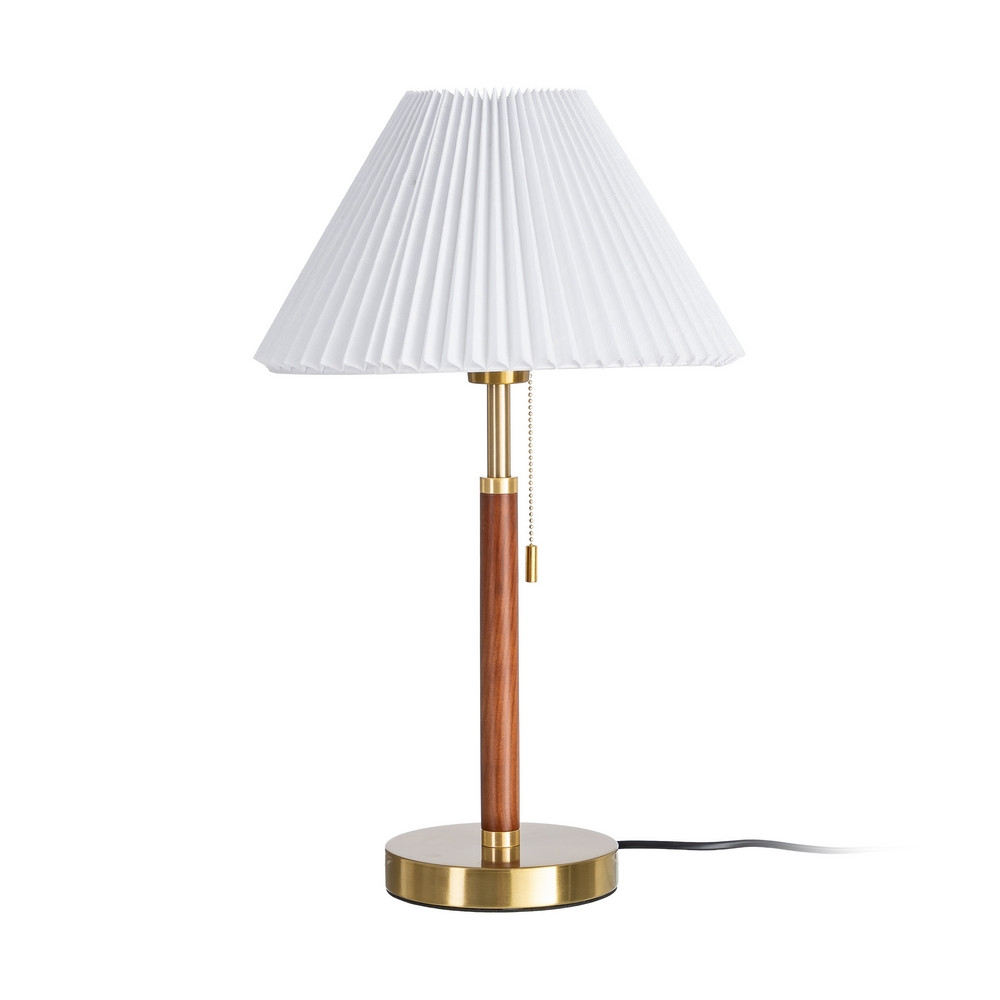
A more considered arrangement begins with the places where people spend time. A table lamp near a sofa brings light to the seating area. A focused reading lamp makes one chair genuinely useful. A smaller source beside a cabinet or along a wall can reveal the texture of wood and give depth to an otherwise quiet corner.
The positions matter more than the number of lamps. Light that shines directly into a seated person's eyes is uncomfortable. Reflections across a screen can become distracting. A lampshade that appears beautiful by day may be too bright when the room is dark. Adjust the arrangement with the room in actual use, not only when it is photographed.
The textured metal table responds particularly well to this change. In daylight its surface has a clear pattern. In the evening, small highlights appear and disappear according to the lamps that are switched on. It needs very little decoration to feel complete.
The seasonal idea: Begin by moving and testing the lamps you already have. The most effective autumn change may be an adjustment in light rather than a new object.
02. Winter: tactility without excess
Winter makes soft surfaces more noticeable. A throw across the sofa, a rug underfoot and comfortable upholstery become part of the daily experience of the room. The temptation is to add layers everywhere, but too many textiles can hide the shape of the furniture and make seating less practical.
A cream sofa offers an easy base for a warmer seasonal palette. A single generous throw in cocoa or taupe may be enough to change its atmosphere. One cushion in a contrasting weave adds another tactile note. Dark timber nearby keeps the composition grounded, while a compact leather accent introduces warmth without repeating the same material across the room.
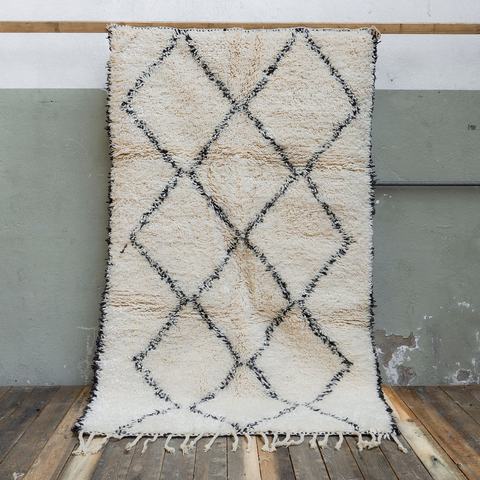
A rug helps connect the seating and makes the floor feel visually softer. Its size should support the arrangement rather than sit like a small island beneath the coffee table. Leave enough space for walking around furniture and for chairs to move freely.
Textures should be chosen for everyday use as well as appearance. Consider how covers are cleaned, how fabrics feel against the skin and whether the room needs a lighter or more substantial layer. Comfort works best when it remains uncomplicated.
The seasonal idea: Add one textile with a distinctly different texture, then stop and assess the room before adding another.
03. Christmas: a celebration that belongs to the room
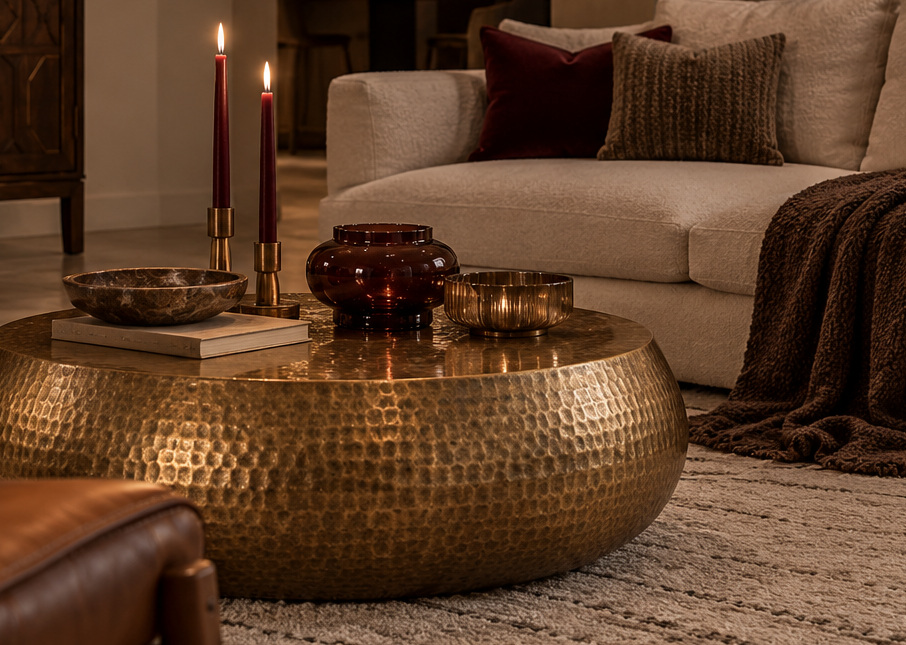
Select a glowing point to explore a compatible piece.
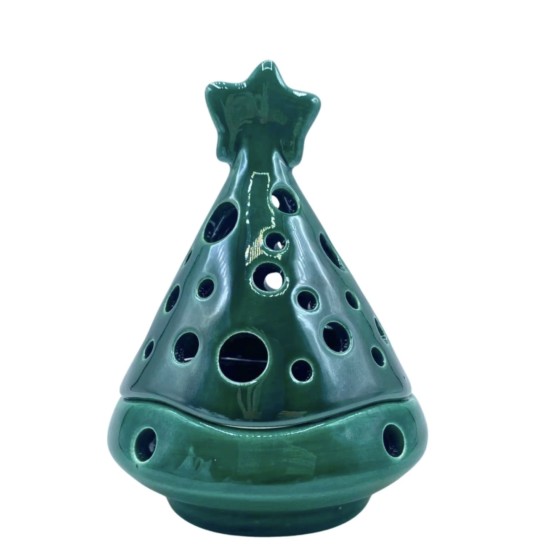
Christmas decoration can be an extension of the materials already present. In Crafted Living, dark wood, ivory, caramel and soft metallic finishes provide a foundation for a restrained festive setting. Coloured glass, a low ceramic arrangement or a carefully placed metallic detail can introduce celebration without overpowering the furniture.
The key is to keep the decorative scale in proportion to the room. A carved wooden cabinet already provides considerable visual detail. One seasonal arrangement may be more effective on its surface than a long line of small ornaments. A table with a distinctive metal finish should not disappear beneath a crowded display.
Low compositions are especially useful where people gather. They preserve sightlines and leave surfaces available for drinks, books or serving plates. Decorative lighting can be beautiful, but comfort and safety remain essential, particularly around fabrics and busy seating areas.
The dining table deserves the same care. Rather than introducing several competing colours, repeat one finish through a few small accessories and allow the tableware to remain simple. Give dishes and serving pieces enough room; an attractive arrangement loses its charm if it has to be dismantled before dinner begins.
The seasonal idea: Select one decorative material already present in the room and repeat it once in the Christmas setting. The result will feel connected rather than imposed.
04. New Year's Eve: making room for people
The final evening of the year calls for a different kind of preparation. Its most important design decision may be the furniture arrangement, not the decorations. Can guests move easily between the seating and the dining area? Is there a convenient surface for a glass or a small plate? Are the chairs close enough for conversation without blocking the room?
A stool or occasional chair can become useful extra seating. The coffee table may need to be cleared rather than styled. A small side table placed near an armchair may make the evening more comfortable than an elaborate centrepiece. These adjustments are quiet but meaningful.
A celebratory accent can be introduced through reflective glass or a deeper colour such as burgundy, provided it belongs with the existing palette. The interior does not need to become louder to feel festive. A little sparkle is more noticeable against a composed background.
When the evening is over, the furniture should still be arranged in a way that makes sense. A room designed for people should not become unusable as soon as the occasion ends.
The seasonal idea: Before adding festive decoration, clear circulation and create comfortable places for guests to sit, talk and place their belongings.
05. Three levels of change, one considered result
A seasonal update can work at very different budgets. The difference lies less in how many objects are bought and more in which problem the change solves.
A small adjustment might involve moving a reading lamp, rearranging the furniture or introducing one tactile cushion cover. An already attractive room can become more welcoming without replacing any major piece.
A considered update could be a correctly sized rug, a lamp with better light distribution or a compact additional chair that remains useful throughout the year. These are changes that improve daily comfort as well as seasonal atmosphere.
A larger investment deserves more careful thought. If a sofa no longer suits the household or the principal lighting is inadequate, replacing it may be worthwhile. The choice should be based on proportion, comfort and compatibility with the existing furniture rather than the desire for an entirely new look.
There is no single correct budget for a room with character. The important question is whether each decision makes the space better to live in.
After the season
The beginning of January is an opportunity to see what truly worked. The festive accents are put away, but perhaps the reading lamp remains in its new position. The rug continues to soften the room. A small stool proves useful every day. These are the details that deserve to stay.
The most successful interiors can change with the seasons without losing the qualities that make them personal. Their atmosphere evolves through light, texture and small adjustments, while the central furniture retains its place.
HOMEOCTOS, SPACES WITH CHARACTER.
Three more pieces
Compatible alternatives selected for their function, shape, colour and texture. See each product sheet for its exact materials and dimensions.